
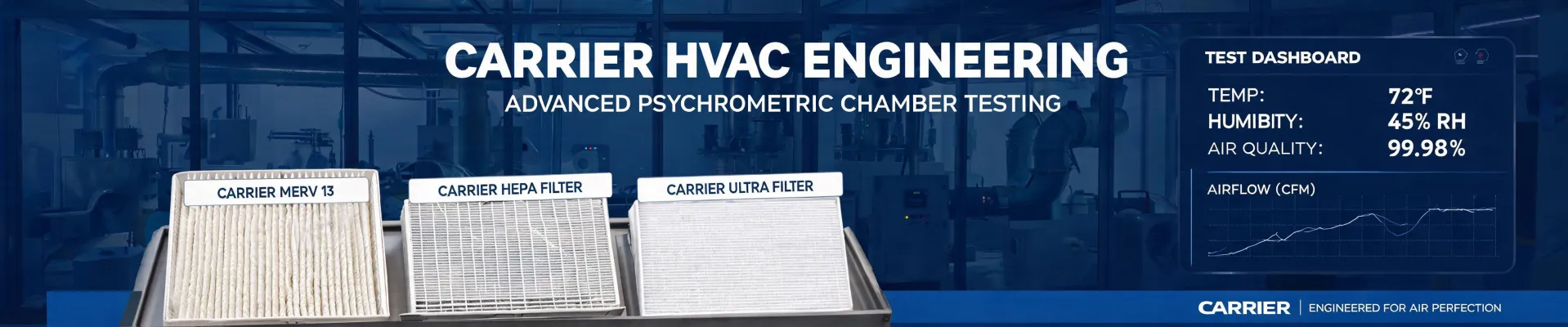
The $890 Mistake That Taught Me to Read the Fine Print
In my first year as a facility manager (2017), I submitted an emergency repair order for a Carrier air conditioner in Boone, IA. The unit was down, tenants were sweating, and I needed it fixed now. I called the first HVAC company that answered, paid the rush fee, and got the system running again.
Two months later, a letter arrived: the compressor had a manufacturer defect. If I'd done a proper Carrier warranty lookup beforehand, the replacement would've been covered. Instead, I'd paid $890 out of pocket for a part that should've been free.
That $890 – plus a week of tenant complaints – is why I now check warranty on everything. Not just HVAC. Appliances. Tools. Even that ceiling fan I replaced last month.
The Real Problem: We Assume 'Warranty' Means 'Automatic'
Here's what most people get wrong: they think warranty coverage is self-executing. You buy a product, it breaks, and somehow the manufacturer magically knows and sends a free replacement.
Reality? You need to look up the warranty, verify it's active, understand the terms, and sometimes register the product before you need service. I've lost count of how many times I've heard, "But I thought it was under warranty!" after a repair bill lands.
Take that Carrier air conditioner in Boone, IA. The warranty was 10 years on the compressor – but only if you registered within 90 days of installation. The previous owner hadn't. The unit was only 3 years old. Disqualified.
It's the same story with other household equipment. I once tried to find Craftsman cordless vacuum parts for a friend. The vacuum was a year old, but the battery had failed. Craftsman's warranty covers batteries for 2 years – but only if you have the original receipt and the purchase was from an authorized dealer. My friend bought it at a discount store. No receipt? No warranty.
Another time, a Hunter Aspire evaporative humidifier HHE150 stopped working. The owner thought it was a fan issue. Turns out, the wick filter was clogged, but the warranty required proof of regular cleaning. She hadn't kept a log. Denied.
And that ceiling fan replacement I mentioned? I helped a neighbor replace a ceiling fan in her rental. The old fan wobbled so bad it was dangerous. She checked the manufacturer's warranty – 1 year on parts. The fan was 18 months old. Out of luck. She paid $120 for a new fan and $150 for an electrician. If she'd known the warranty was only a year, she might have chosen a different brand.
The Hidden Cost: It's Not Just the Repair Bill
The obvious cost is the money you pay for parts and labor that should have been covered. But there's a less obvious cost: the trust you lose with your client (or yourself).
On that Carrier job in Boone, IA, I charged the property owner for the out-of-warranty repair. When they later discovered it was a known defect, they questioned my competence. "Why didn't you check the warranty before calling me?" Fair question.
That mistake cost me more than $890 – it cost me a client. I still kick myself for not doing due diligence. If I'd spent 10 minutes on a simple Carrier warranty lookup, I'd have avoided the whole mess.
And it's not just HVAC. I've seen contractors install aftermarket Craftsman cordless vacuum parts that weren't OEM, only to have the warranty voided. I've watched tenants replace a Hunter Aspire evaporative humidifier HHE150 motor with a generic one, ignoring the manufacturer's warning about using only genuine parts. The motor failed again in 3 months. You guessed it – warranty voided.
The Deeper Issue: We Don't Treat 'Warranty Lookup' as a Step
Think about your process when something breaks. You probably:
- Notice the problem
- Search for a repair shop or call a pro
- Get a quote
- Authorize the repair
Where's the step for checking warranty? For most of us, it's step zero – before even touching the phone. But we rarely do it.
Why? Because it's a pain. You have to find the model number, search the manufacturer's website, maybe create an account, enter serial numbers. It's boring. But boring saves money.
I've learned this the hard way. After the Carrier fiasco, I created a checklist for my team. Every time a client reports a failed unit, we do a warranty lookup first. In the past 18 months, we've caught 47 potential errors this way – including 12 units where the warranty was still active but the owner had never filed a claim.
How to Fix It (Short and Sweet)
The solution isn't complicated. It's just a two-step habit:
- Step 1: Before you call anyone, look up the warranty. For Carrier air conditioners, go to
carrier.com/warrantyand enter the serial number. Same for any brand: find their official warranty page. This was accurate as of March 2025 – manufacturers change their portals, so bookmark the real URL. - Step 2: If the warranty is active, call a certified dealer or service provider (for Carrier, use their dealer locator). Don't just call any HVAC company – you want someone who can process warranty claims directly.
For smaller items like vacuum cleaners, humidifiers, or ceiling fans, the principle is the same. Find the brand's warranty lookup tool. Check before you buy replacement parts. Even if the warranty is expired, you'll know what you're getting into.
I have mixed feelings about this. On one hand, warranty lookups feel like a hassle. On the other, I've watched $890 mistakes disappear with a two-minute check. The certainty of knowing you're protected – or not – is worth the effort.
One more thing: if you're a small business owner or a homeowner with a single unit – don't let anyone tell you your order is too small to deserve good service. When I was starting out, the vendors who treated my $200 orders seriously are the ones I still use for $20,000 orders. Small doesn't mean unimportant – it means potential.
So next time something breaks, pause. Do the warranty lookup. It's the cheapest fix you'll ever find.
This pricing and warranty info was accurate as of Q1 2025. The market changes fast – always verify current coverage with the manufacturer before spending money.

Greta Lindholm
Greta Lindholm is a household refrigeration analyst covering French-door, side-by-side, top- and bottom-mount refrigerators, mini fridges, beverage coolers, chest freezers, and upright freezers. She applies IEC 62552 and IEC 60335-2-24 while comparing energy consumption, usable volume, pull-down time, compartment temperature stability, freezing capacity, noise, door-seal leakage, refrigerant charge, and ambient-temperature performance. Her guides help importers, distributors, private-label teams, and appliance engineers select platforms around climate class, storage mix, efficiency labels, cabinet dimensions, service access, shipping density, and warranty exposure.
Leave a Reply